Lead flashings and leadwork
New and replacement lead flashings, valleys and soakers, on tiled and slate roofs alike.
Get a quoteA roof is only as watertight as its joins. Wherever it meets a wall, a chimney, a dormer or another slope, there is a gap that tiles alone cannot close, and lead is the traditional way to seal it. Sheet lead can be cut and dressed by hand into almost any shape, and fitted properly it lasts for a very long time.
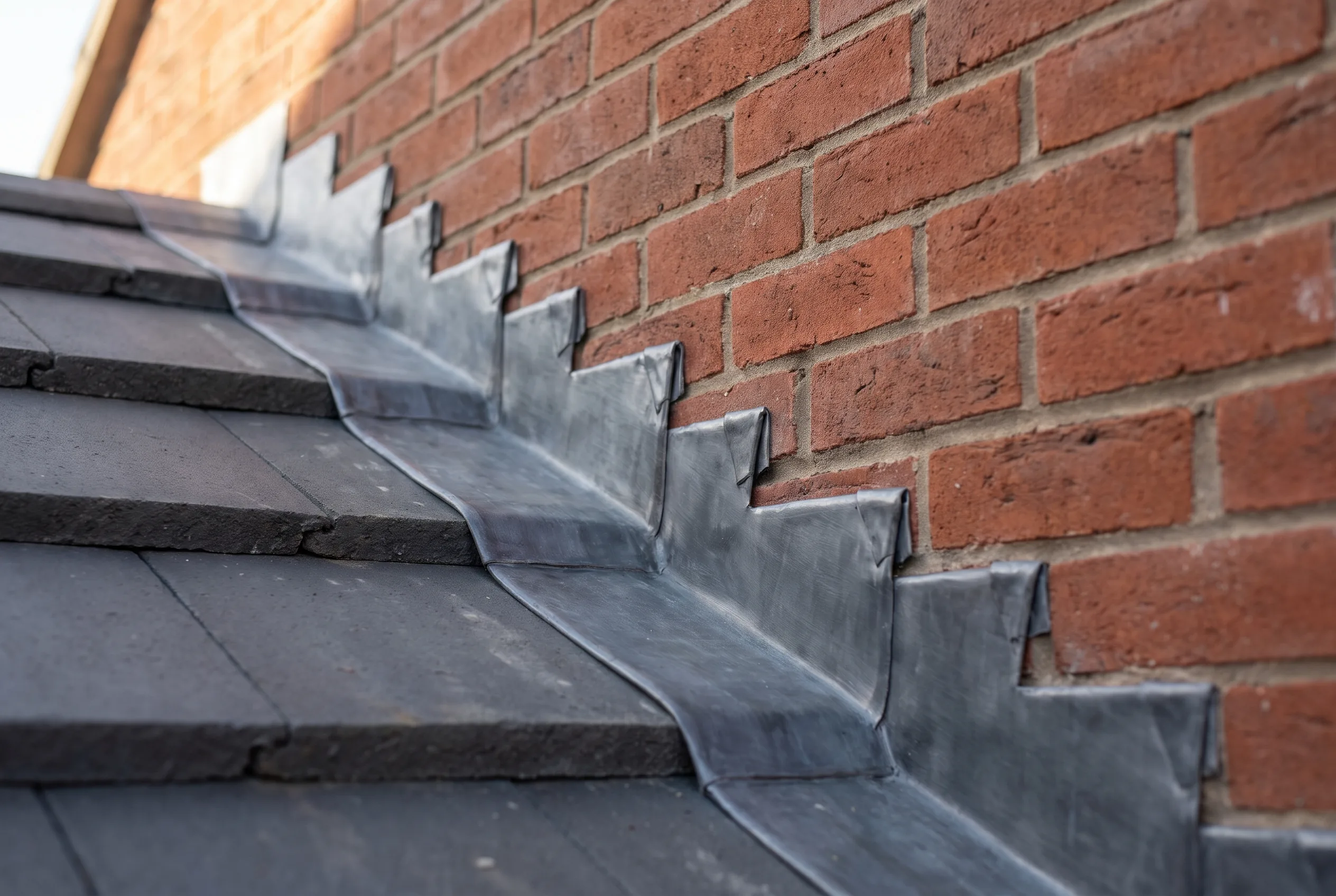
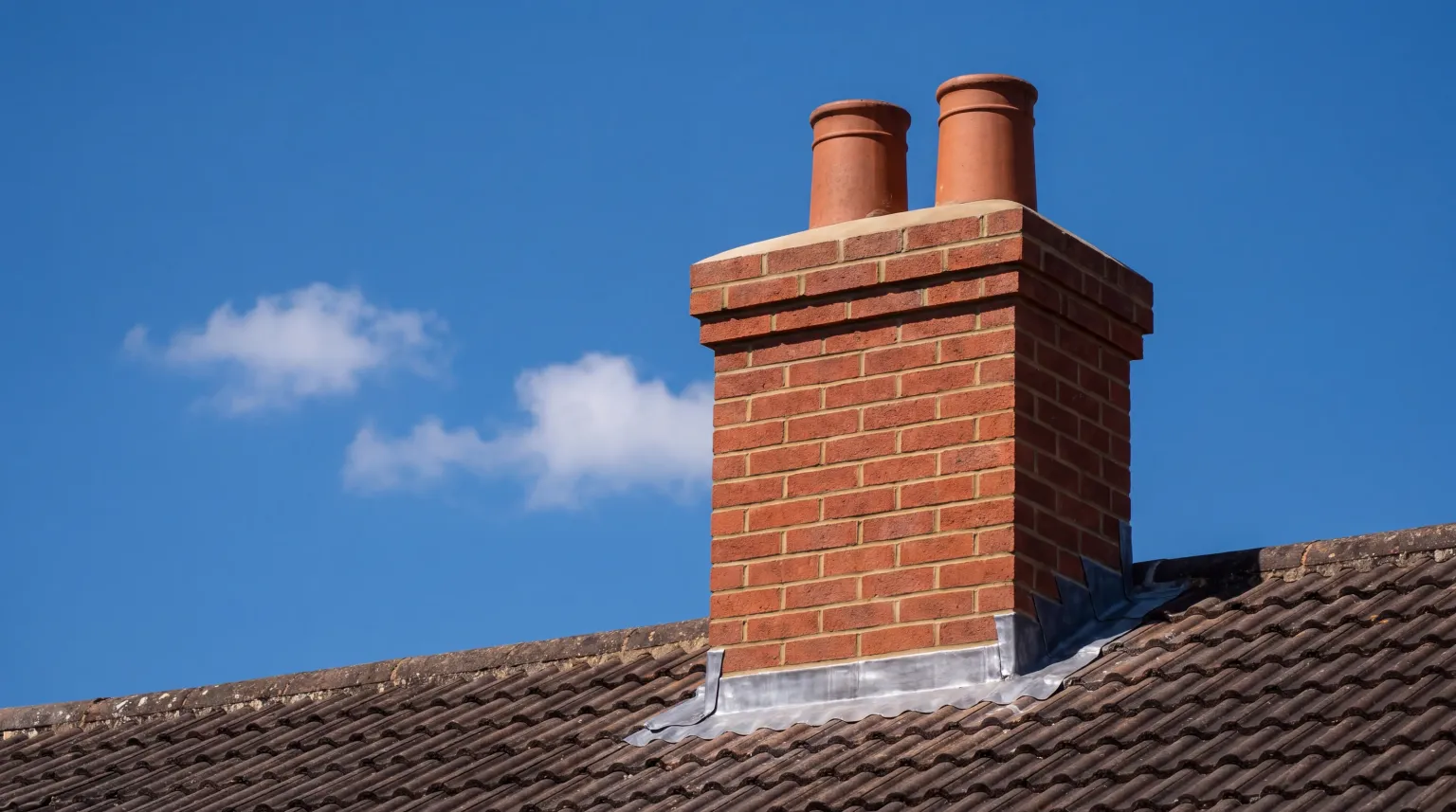
Step flashings climb the side of a wall or chimney with the slope of the roof, each step tucked into a mortar joint. Soakers are slipped between the tiles beneath them. Aprons seal the front of a chimney and the top edge of a lean-to roof, and lead-lined valleys carry the water where two slopes meet.
Lead that has lifted, split or pulled out of its joint lets water straight into the roof. Damp on a chimney breast, on the wall at the top of a lean-to or along the line of a valley often points to a failed flashing. Old lead can also crack when it was laid in lengths too long to move with the heat and cold.
We offer leadwork on its own as well as part of a new roof or a chimney repair. You get a free survey and a written estimate before anything starts, and like all our work, it is guaranteed.
Questions about lead flashings and leadwork
Can loose flashing be refixed, or does it need replacing?
If the lead is sound and has only pulled out of its joint, it can often be dressed back, wedged in and repointed. Lead that is split, thin or cracked is better replaced, as a patch rarely lasts.
What is a lead valley?
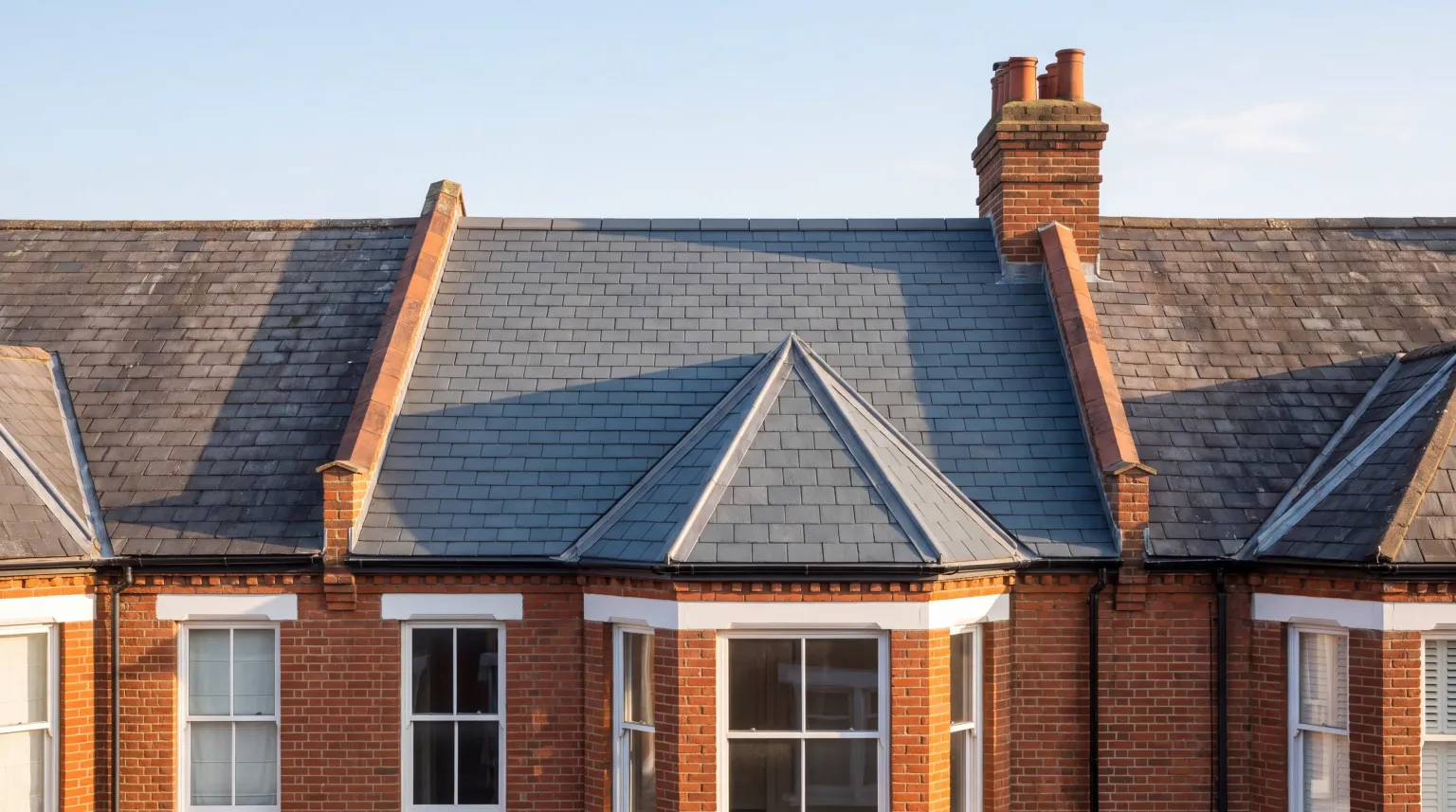
A valley is the internal angle where two slopes of a roof meet. It carries a great deal of water, so it is lined with lead, or a preformed valley, beneath the tiles on either side. A blocked or split valley is a common cause of leaks.
Are there alternatives to lead?
Yes. Lead-free flashing materials are made, and some homeowners choose them where lead theft is a worry. Lead is still the traditional choice for most flashings, because it can be shaped to almost any detail and copes well with the weather.
Why has my flashing been sealed with mastic?
Mastic or sealant is sometimes used as a quick fix where a flashing has come away from the wall. It rarely lasts, because the lead needs to be fixed into a mortar joint to stay watertight. A proper repair takes the mastic off and refixes the lead.
Damp where the roof meets a wall?
A failed flashing is often the cause. Ask us for a free survey and estimate.
Other services
Get a quote for lead flashings and leadwork
Tell us a little about the job and we will get back to you to arrange a free quotation.