Chimney repairs and removal

Chimneys are a charming part of any roof. We repair and restore them, and safely remove stacks that are no longer needed.

Get a quote
A chimney stack takes more weather than any other part of the roof. Over the years the mortar between the bricks wears away, the flaunching around the pots cracks and the flashing where the stack meets the tiles can lift or split. Water then gets into the brickwork and, in time, the rooms below.

Look for crumbling or missing mortar, cracked or leaning pots, plants growing from the top of the stack, and damp patches on a chimney breast or the ceiling beside it. Pieces of mortar or brick in the gutter are another warning sign.

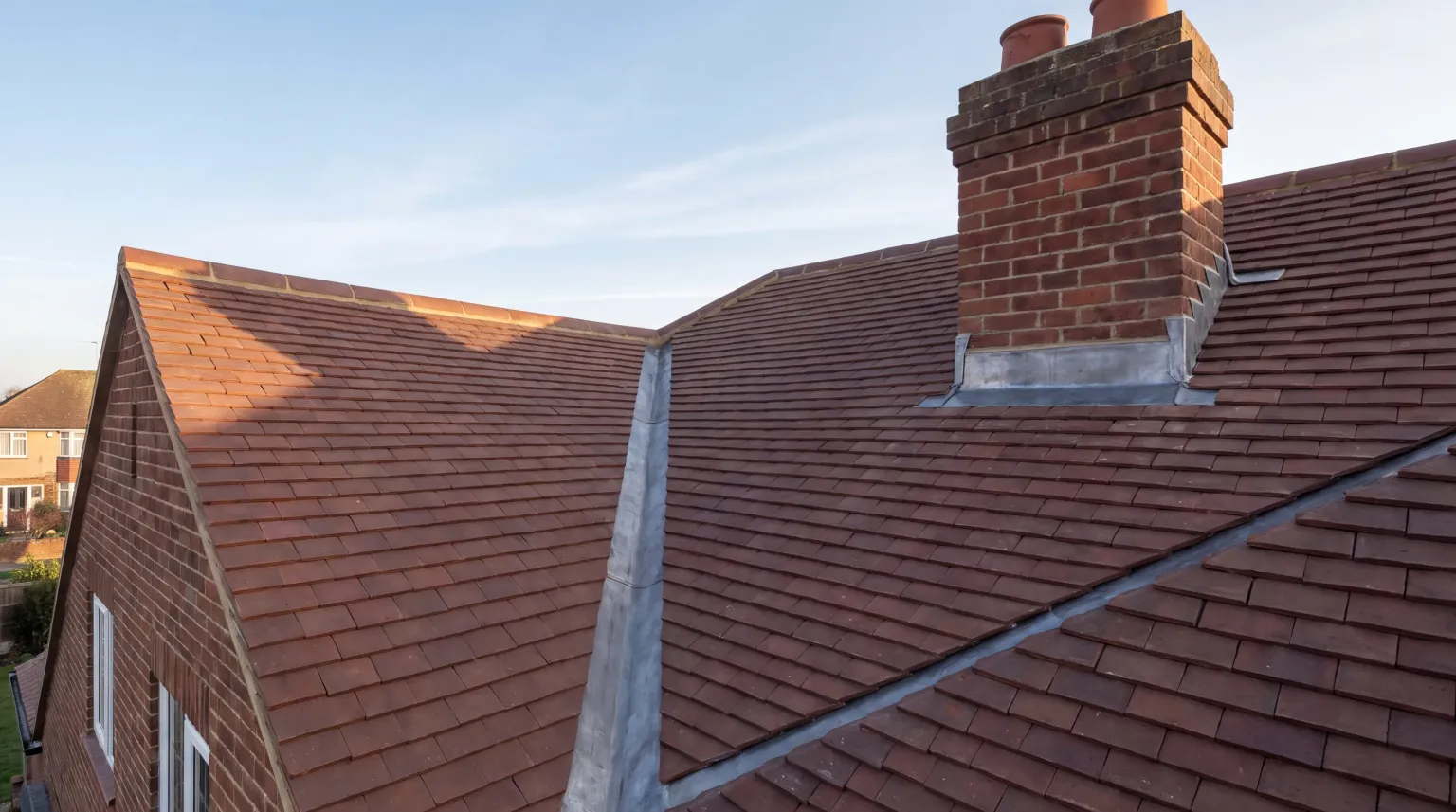
We specialise in many aspects of chimney repair, including flaunching, pointing, chimney pots, roof flashing, step flashing and capping. When we repair a stack, we always try to find materials that match its original look and the rest of the building, because we care about a chimney looking right as well as keeping the weather out.

Electric heating has left some chimneys with no use at all, and some homeowners would rather remove the stack altogether. We take off any flaunching, cowls and pots first, then remove the bricks one by one, safely and carefully, before the roof is made good where the stack stood.

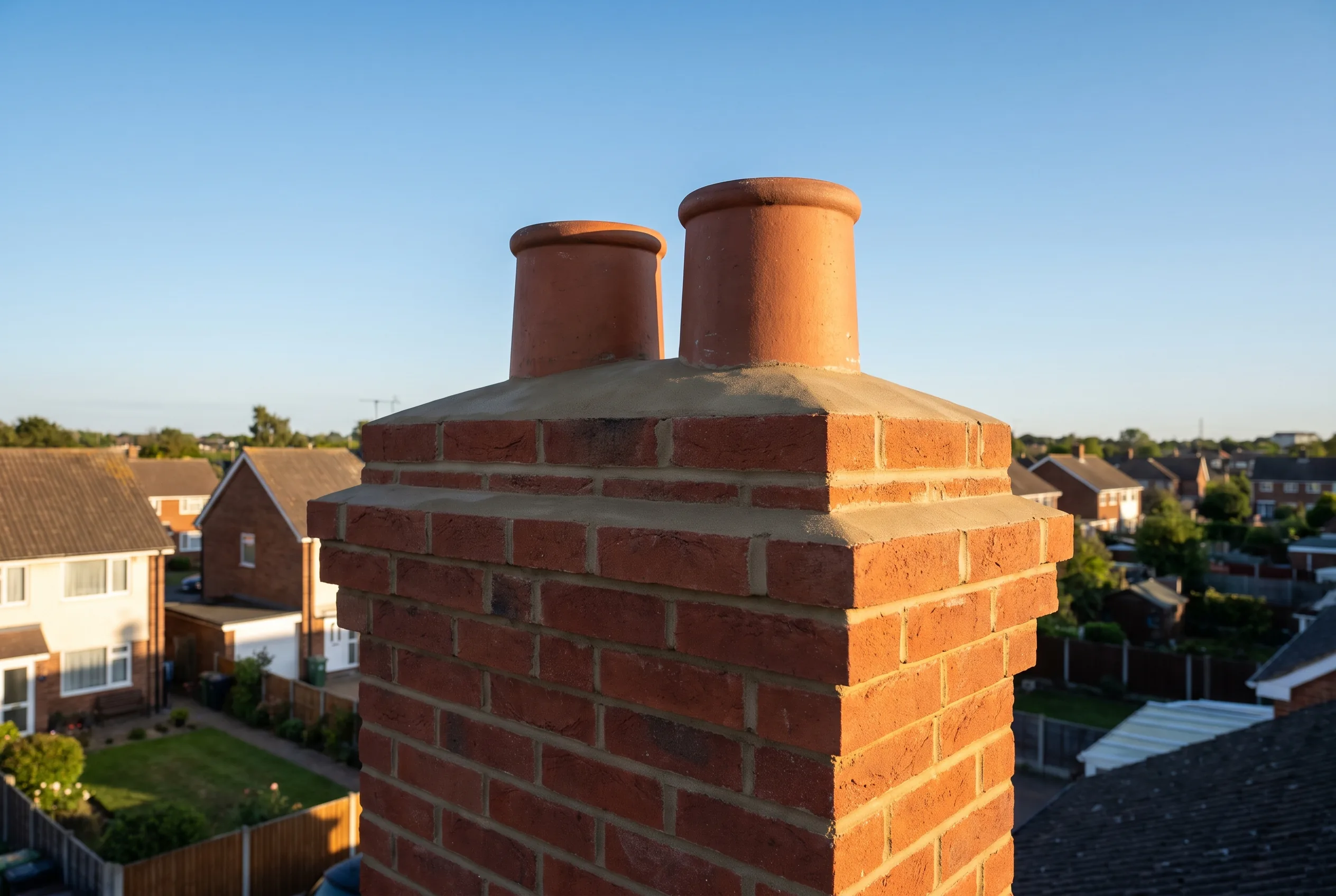
The top of a red brick chimney stack with smooth new flaunching around two clay pots
Smooth new flaunching around two clay pots

Questions about chimney repairs and removal

What is flaunching?

Flaunching is the sloping bed of mortar on top of the stack that holds the pots in place and throws rainwater off. It takes the full force of the weather, so it cracks with age, and once it does, water runs into the stack and the pots can work loose.

Should I cap a chimney I no longer use?

Capping keeps rain, birds and debris out. A disused flue still needs some air moving through it, though, so a vented cap is the usual choice, as it helps to prevent damp inside the chimney breast.

Can a chimney stack be removed?

Yes. Taking a stack down above the roof is a common job once a fireplace is no longer used. If the stack is shared with your neighbour, as it often is on semis and terraces, the Party Wall Act may apply, and listed buildings or homes in conservation areas may need permission first.

Why is there damp on my chimney breast?

The usual causes are rain getting in through worn pointing or cracked flaunching, a failed flashing where the stack meets the roof, or an open pot letting rain straight down the flue. A chimney that has been blocked off with no ventilation can also suffer from condensation.

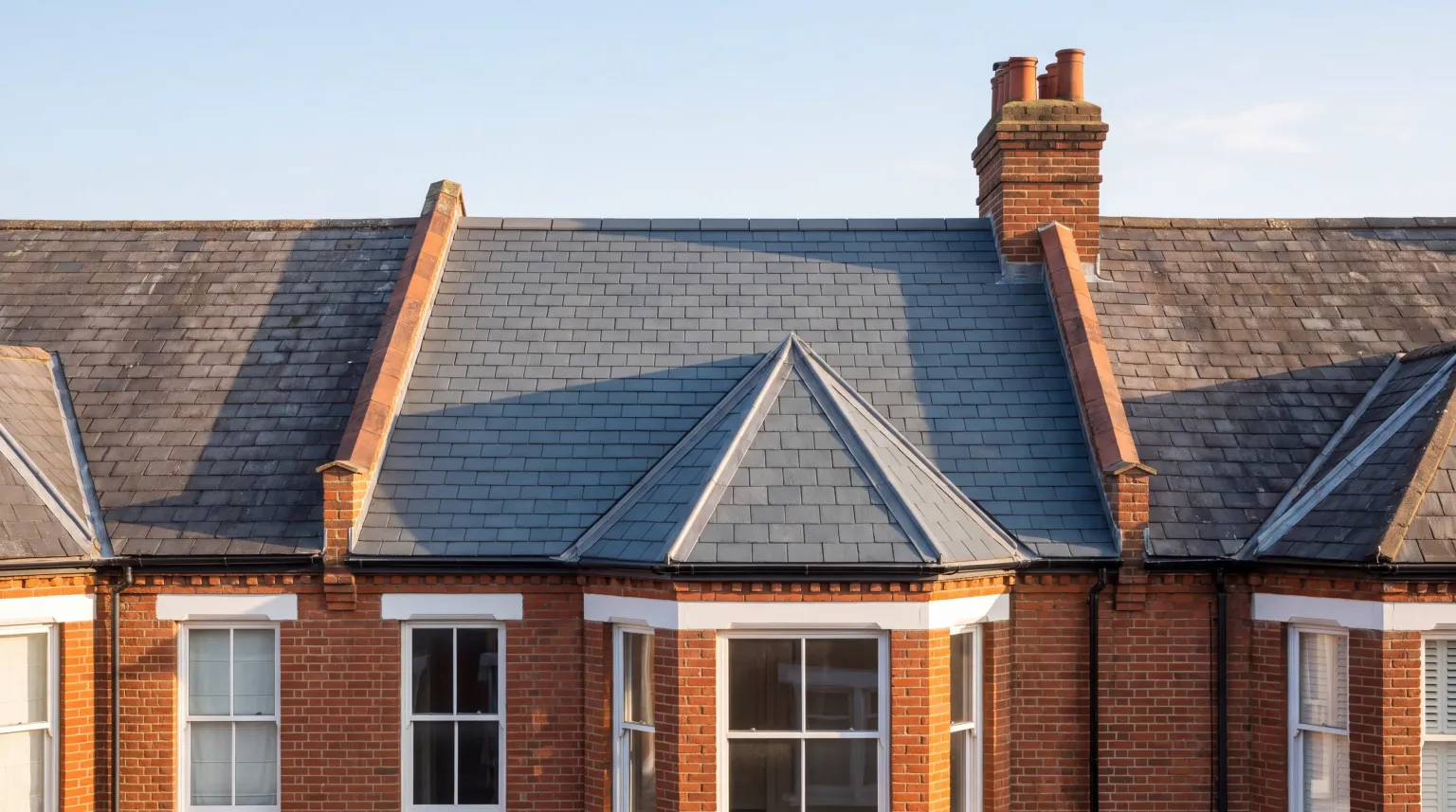
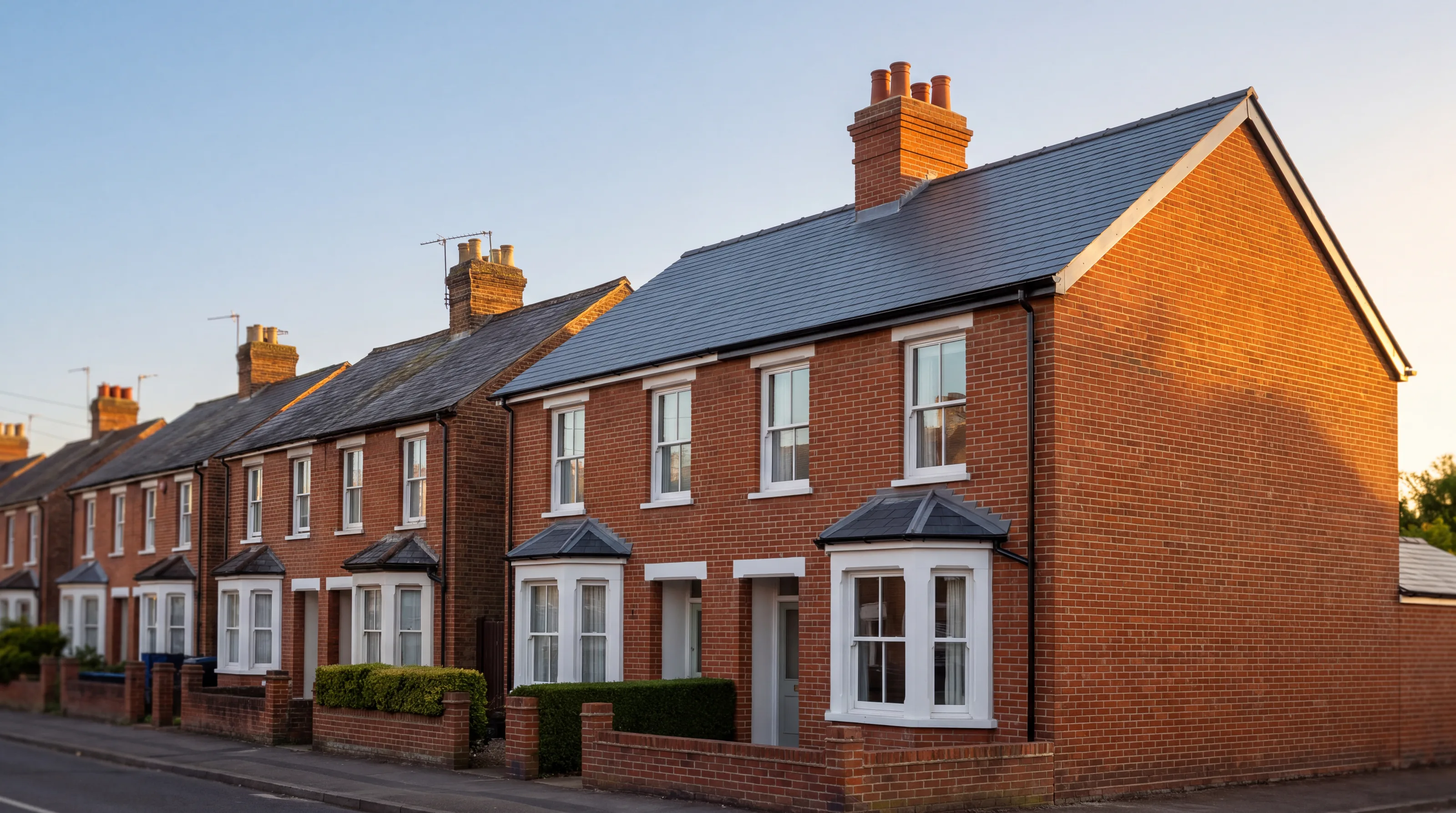
A red brick Victorian terrace in golden evening light, the nearest house with a new blue grey natural slate roof and a rebuilt chimney stack with clay pots

Worried about your chimney?

We will take a look and give you free advice and a free estimate for the work.

Other services

Get a quote for chimney repairs and removal

Tell us a little about the job and we will get back to you to arrange a free quotation.

What do you need? Tick as many as you like.

We only use your details to reply to this enquiry. Privacy policy